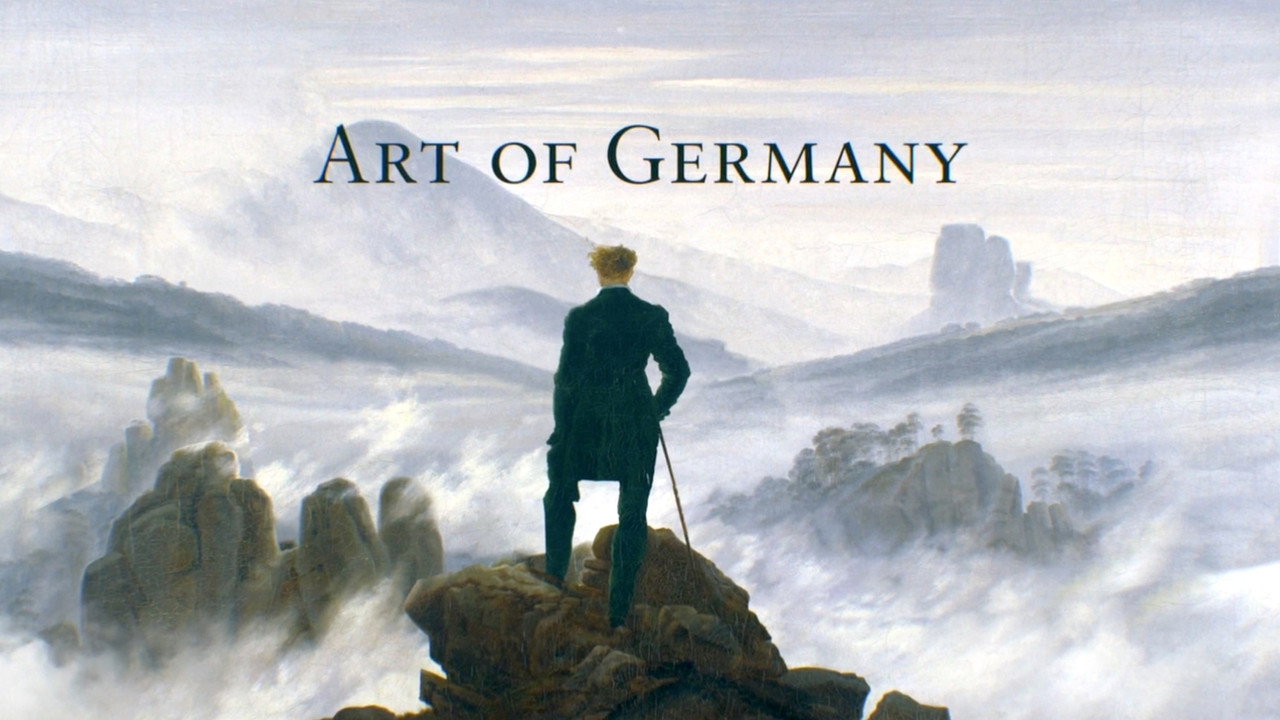
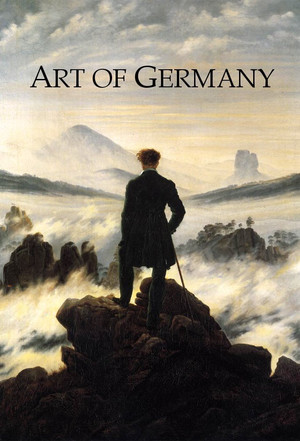
Andrew Graham-Dixon looks at neglected, but rich German art from the time of the Middle Ages.
Reparto
Géneros
Valoración IMDb
Temporadas
Andrew Graham-Dixon begins his exploration of German art by looking at the rich and often neglected art of the German middle ages and Renaissance. He visits the towering cathedral of Cologne, a place which encapsulates the varied and often contradictory character of German art. In Munch he gets to grips with the earliest paintings of the Northern Renaissance, the woodcuts of Albrecht Durer and the cosmic visions of the painter Albrecht Altdorfer. Andrew also embarks on a tour of the Bavarian countryside, discovering some of the little-known treasures of German limewood sculpture.
Andrew Graham-Dixon continues his exploration of German art by looking at the tumultuous 19th century and early 20th century, and how artists were at the forefront of Germany's drive to become a single nation. Andrew travels to the north and the coastal town of Griefswald, the birthplace of Caspar David Friedrich, the most influential of the German Romantics, to discover how the Baltic coast impacted on his mysterious paintings of the German landscape. He also visits Berlin and explores the art of the powerful Prussian state, which would spearhead the unification of Germany in 1871. The episode ends with the outbreak of the World War I and the attempts of artists Franz Marc and Otto Dix to rationalise the catastrophic experiences of the world's first technological war, a war driven by the innovations of Prussia.
Andrew Graham-Dixon concludes his exploration of German art by investigating the dark and difficult times of the 20th century. Dominating the landscape is the figure of Adolf Hitler - failed artist, would-be architect and obsessed with the aesthetics of his 1,000-year Reich. In a series of extraordinary building projects and exhibitions, Hitler waged a propaganda war against every kind of modern art as a prelude to unleashing total war on the whole of Europe. After the war the shadow of the Third Reich persisted, Germany remained divided and traumatised. How would artists deal with a past that everybody wanted to forget? From the work of Otto Dix and George Grosz and the age of the Bauhaus to the post-war painters Georg Baselitz, Hilla Becher and the conceptual artist Joseph Beuys is a long strange journey, but the signs are there that art has a place at the heart of the new reunited Germany.
Great Art Explained
2020
L'expo idéale avec Hervé Tullet
2018
This is Art
2017
Terra X - Deutschland von oben
2010
Feuerwache 4 - Alarm in Stuttgart
2023
Arte Vivo
Tate Britain's Great Art Walks
Fotografi
2012
Art of the Western World
Palettes (El pintor y su obra)
1995
La huida de los hugonotes
2019
The Western Tradition
1989
Inside Culture
El nazi Iván el Terrible